
Sirah Stories · The Hijra
The Hijra was a plan, not a flight
We remember two men in a cave. But the migration from Makkah to Madinah was a carefully run operation — with people assigned to intelligence, supply, covering tracks, a decoy, and a guide.
Sirah Stories · 16 June 2026
The Hijra is often imagined as a desperate escape. The reality is more striking: it was one of the most carefully managed operations in early Islamic history. The Prophet ﷺ did not simply run — he delegated, and a team of believers each carried a piece of the plan.
The team behind the migration
Intelligence — Abdullah ibn Abi Bakr (ra)
Moved among Quraysh by day, then carried their news to the hiding place at night.
Supply — Asma bint Abi Bakr (ra)
Provisioned the journey and tore her own belt to bind the food bag — earning the name “She of the Two Belts.” Read her story →
Covering tracks — Amir ibn Fuhayra (ra)
Drove a flock of sheep behind the travellers to erase their footprints — and supplied fresh milk.
The decoy — Ali ibn Abi Talib (ra)
Slept in the Prophet's ﷺ bed on the night of the departure, and stayed behind to return the trusts people had left in his care.
The guide — Abdullah ibn Urayqit
An expert pathfinder (not yet a Muslim) hired to lead them along an unexpected coastal route.
The route: from the cave to a state
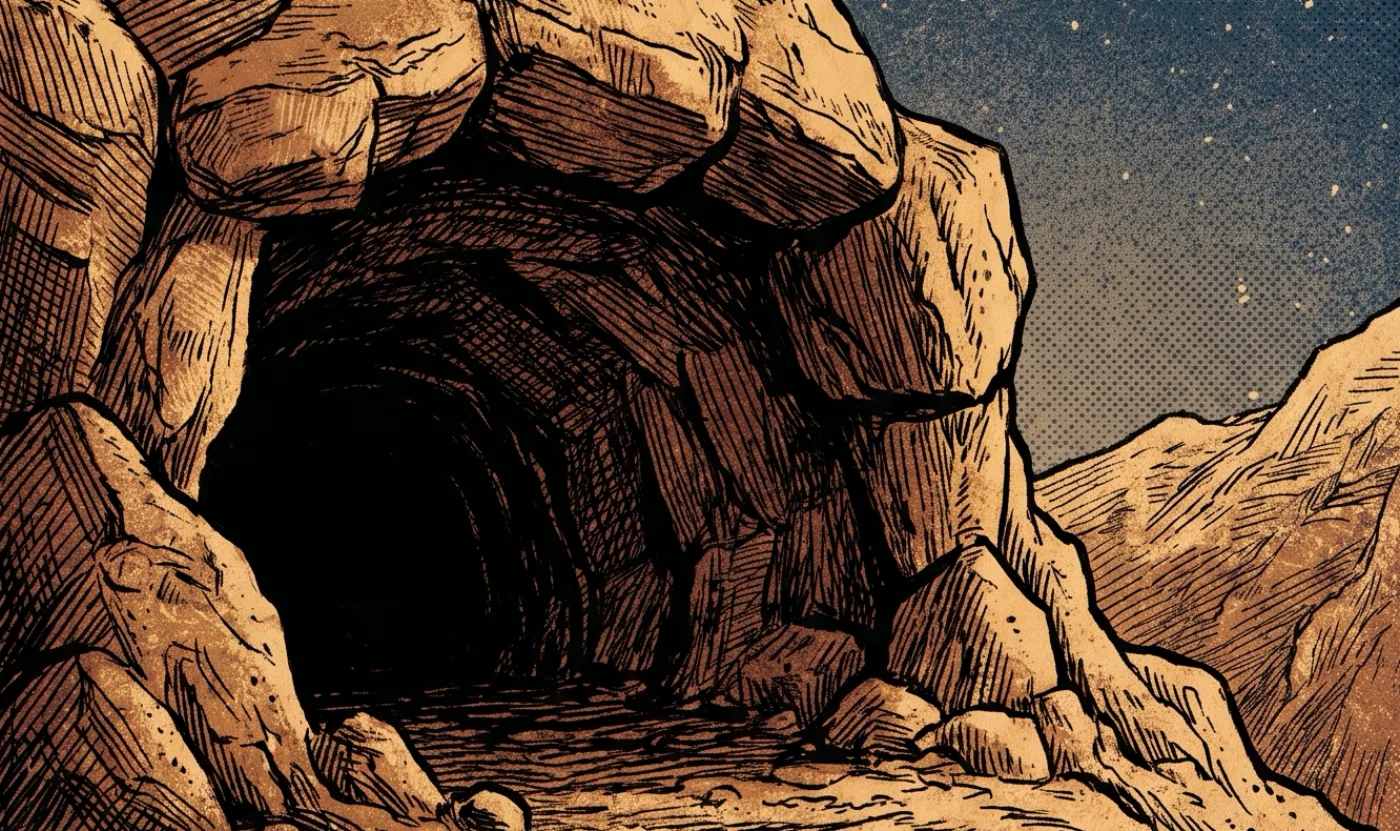
The Cave of Thawr. The Prophet ﷺ and Abu Bakr (ra) waited there three nights while the search parties combed the roads — moving only once the hunt had cooled.
The coastal road. Instead of the obvious northern route, the guide took them along a harder, unexpected path — roughly 400 km to Madinah.
Quba. On the city's edge they founded the first mosque in Islam.
The Prophet's Mosque. In Madinah, the mosque became the centre of worship, consultation, and building a community.
The brotherhood. The Prophet ﷺ paired the Makkan migrants with the Madinan helpers — fusing two groups into one society.
What it teaches
Trust in Allah did not cancel planning — it included it. The Hijra shows tawakkul and preparation working together: tie your camel, then trust. That is also how the new year invites us to begin — with intention and a plan. Why the Islamic year begins with the Hijra →
Watch the 60-second story
Sources: Sahih al-Bukhari (the cave, the provisioning) and the classical Sīrah literature (Ibn Ishaq / Ibn Hisham) for the roles of the migration. Honorifics: ﷺ “peace be upon him,” (ra) “may Allah be pleased with them.”
Walk the whole journey — a little every day
The Hijra is one chapter of 78 in Sirah Quest: short daily lessons in English, Arabic, and French. Free to start.